
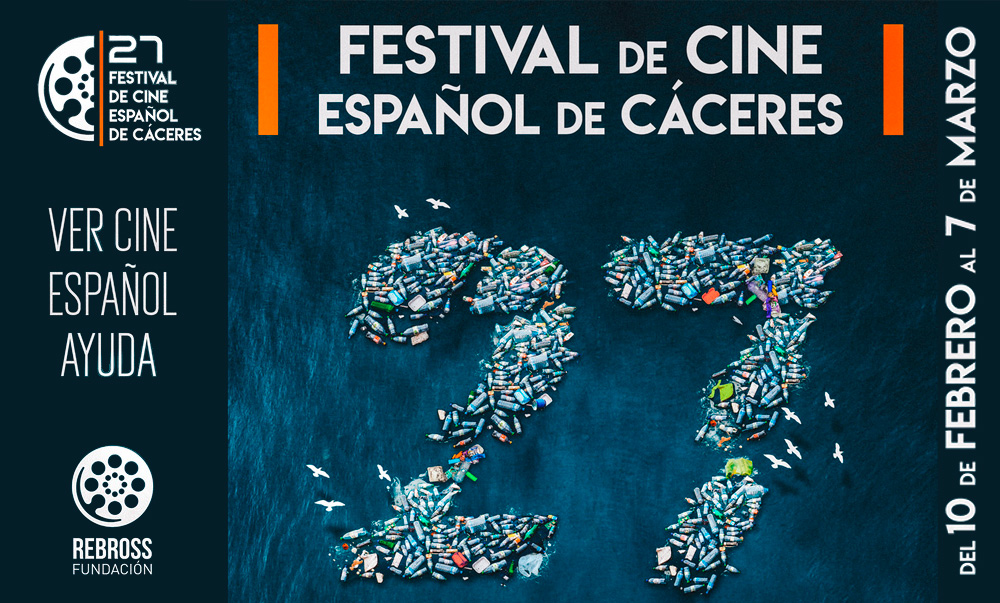
[vc_row rt_row_background_width=»fullwidth» rt_row_content_width=»default» rt_row_style=»default-style» rt_row_height=»» rt_row_borders=»» rt_row_shadows=»» rt_column_gaps=»» rt_row_paddings=»true» rt_bg_effect=»classic» rt_transparent_bg=»» rt_bg_image_repeat=»repeat» rt_bg_size=»cover» rt_bg_position=»right top» rt_bg_attachment=»scroll» rt_bg_video_format=»self-hosted»][vc_column rt_col_paddings=»true» rt_wrp_col_paddings=»false» rt_column_shadow=»» rt_border_top=»» rt_border_bottom=»» rt_border_left=»» rt_border_right=»» rt_border_top_mobile=»» rt_border_bottom_mobile=»» rt_border_left_mobile=»» rt_border_right_mobile=»» rt_bg_image_repeat=»repeat» rt_bg_size=»auto auto» rt_bg_position=»right top» rt_bg_attachment=»scroll»][vc_column_text]El 17 de marzo de 1994 se celebró en el Café latino La Machacona una fiesta del Cine donde se presentó oficialmente la revista de cine Versión Original. Esa humilde y divertida Gala fue el comienzo de los Premios “San Pancracio de Cine” que se entregan desde ese año en la ciudad de Cáceres, premios que en la actualidad clausuran el Festival de Cine Español de Cáceres. La denominación del galardón está orientado en desear “Suerte y Trabajo” a los premiados, sin ninguna vinculación religiosa: San Pancracio es el santo vinculado a la suerte y al trabajo.
It is currently the longest running Spanish Film Festival in Spain, and for 27 editions it has been attended by the great professionals of Spanish cinema, Alberto Iglesias, Eduard Fernández, Enrique Urbizu, Fernando Trueba, Javier Cámara, Inma Cuesta, Pilar Bardem, Jose Coronado, José Luis Borau, Julio Medem, Luis Tosar, Mario Camus, Marta Etura, Antonio de la Torre, Lola Dueñas, Elena Anaya, Pedro Almodóvar... and a list of more than 150 award-winners.
Under the slogan "SEEING SPANISH MOVIES HELPS" the Cáceres Spanish Film Festival se asienta en cuatro aspectos que consideramos imprescindibles: el cultural, que incluye la promoción y la divulgación del Cine Español en Extremadura; el humanitario, pues los beneficios del Festival, provenientes de la recaudación obtenida en las distintas actividades que se organizan en el seno del mismo, terminan convirtiéndose en sostén de diversos y esenciales proyectos humanitarios; el igualitario, por medio de la visibilización de la igualdad de género a través de las películas seleccionadas, la integración de mujeres en todos los departamentos técnicos y artísticos del evento y la contratación de personal femenino, espíritu este que coexiste con el respeto a la orientación sexual y a la identidad de género como parte fundamental de la libertad y de la dignidad de las personas -solo promoviendo cotidianamente la pluralidad será posible construir una sociedad más justa y equitativa, respetuosa con la diversidad de todos los seres humanos-; y el medioambiental, generando una responsabilidad para disminuir el impacto del evento, conseguir que sea un Festival lo más ajustado posible a parámetros de sostenibilidad y utilizarlo como una plataforma divulgativa para involucrar a la sociedad civil en el cuidado de la naturaleza; comportamiento que también incluye el respeto a los animales, con quienes compartimos un planeta que todos tenemos la obligación de cuidar. En esta edición, la vigesimoséptima, nos centramos en un programa de sensibilización que incluye exposiciones, talleres y charlas relacionadas con el cuidado del medio ambiente y con las consecuencias del cambio climático.[/vc_column_text][/vc_column][/vc_row][vc_row rt_row_background_width=»fullwidth» rt_row_content_width=»default» rt_row_style=»default-style» rt_row_height=»» rt_row_borders=»» rt_row_shadows=»» rt_column_gaps=»» rt_row_paddings=»true» rt_bg_effect=»classic» rt_transparent_bg=»» rt_bg_image_repeat=»repeat» rt_bg_size=»cover» rt_bg_position=»right top» rt_bg_attachment=»scroll» rt_bg_video_format=»self-hosted»][vc_column rt_col_paddings=»true» rt_wrp_col_paddings=»false» rt_column_shadow=»» rt_border_top=»» rt_border_bottom=»» rt_border_left=»» rt_border_right=»» rt_border_top_mobile=»» rt_border_bottom_mobile=»» rt_border_left_mobile=»» rt_border_right_mobile=»» rt_bg_image_repeat=»repeat» rt_bg_size=»auto auto» rt_bg_position=»right top» rt_bg_attachment=»scroll»][vc_custom_heading text=»Tener o no tener un San Pancracio» font_container=»tag:h2|text_align:center» use_theme_fonts=»yes»][vc_single_image image=»2768″ img_size=»full»][vc_row_inner rt_row_background_width=»fullwidth» rt_row_content_width=»default» rt_row_style=»global-style» rt_column_gaps=»» rt_row_paddings=»true» rt_bg_effect=»classic» rt_transparent_bg=»» rt_bg_image_repeat=»repeat» rt_bg_size=»cover» rt_bg_position=»right top» rt_bg_attachment=»scroll»][vc_column_inner width=»1/2″ rt_col_paddings=»true» rt_wrp_col_paddings=»false» rt_column_shadow=»» rt_border_top=»» rt_border_bottom=»» rt_border_left=»» rt_border_right=»» rt_border_top_mobile=»» rt_border_bottom_mobile=»» rt_border_left_mobile=»» rt_border_right_mobile=»» rt_bg_image_repeat=»repeat» rt_bg_size=»auto auto» rt_bg_position=»right top» rt_bg_attachment=»scroll»][vc_column_text]There are two urban legends surrounding film awards. First, that it is more difficult to get a job after an award because everyone thinks you will ask for a higher salary. Second, that no director is able to make a good film after someone has dedicated a book to his or her work. I don't know if these almost mythological curses are true, but they are a comfort to those who don't usually win awards or have books dedicated to them.
Prizes are usually awarded by people who want to make a name for themselves. So they award a prize to someone and get their picture taken with them. So, for example, Alfred Nobel meets Faulkner and the Prince of Asturias has his photo taken with Woody Allen. That's why I like prizes that don't reward the winners. The usual thing is for the film that wins the Goya to receive all the film awards of the year, from the Ondas to the Asociación de Amigos del Esputo Verde. But the San Pancracio escapes such vileness and from time to time awards someone with whom no one would want to have their picture taken.
The first time they wanted to give me the San Pancracio Award I refused to come to Cáceres and they gave it to someone else. Well done. It was for my first film and my idea of triumph spoke English or French. For my third film, they contacted me again, and this time with the lesson of humility well learnt and because I had been recommended the award by close friends, I said yes. When I was about to come to Cáceres, Islamic fundamentalists, who have always opposed my career, caused a terrifying massacre in Madrid and the awards, scheduled for that weekend, were postponed.[/vc_column_text][/vc_column_inner][vc_column_inner width=»1/2″ rt_col_paddings=»true» rt_wrp_col_paddings=»false» rt_column_shadow=»» rt_border_top=»» rt_border_bottom=»» rt_border_left=»» rt_border_right=»» rt_border_top_mobile=»» rt_border_bottom_mobile=»» rt_border_left_mobile=»» rt_border_right_mobile=»» rt_bg_image_repeat=»repeat» rt_bg_size=»auto auto» rt_bg_position=»right top» rt_bg_attachment=»scroll»][vc_column_text]A year later I was invited to present an award. I accepted. Presenting an award is much better than receiving an award. For example, to present the Oscar for best actress there are always cakes. But to present the award for best sound effects for flatulence in a short film, you don't need a CV.
In Cáceres I discovered the ReBross. They are people who look at cinema without the usual prejudices, constructive, capable, enthusiastic and discreet. They do exemplary work to bring cinema to those places in Spain that live under the blackout. Yes, the blackout of the most interesting cinema that often doesn't even reach the increasingly impoverished billboards. The Rebross are nice. They've made friends with guys who, in order to accept a friend, first subject him to a very tough examination, people like Antonio Gasset, for example, who is rumoured to go to Cáceres so often because he has set up a farm and is now raising pigs after his retirement from Ente RTVE. They call me every year and promise me that they will let me present the award for best actress. But when I always get to give the lifetime achievement award or the best bovine performer of the year.
In the circles of Spanish cinema, almost everyone knows that the San Pancracio is the most important award in the country. The category is established between having a San Pancracio or not having a San Pancracio. You get it when no one is looking. It doesn't ruin your career and, in honour of the saint who sponsors it, it allows you to work non-stop until other prizes with more renown spoil your prestige. Thank you Pancracios and film lovers. Here's a friend.
David Trueba
[/vc_column_text][/vc_column_inner][/vc_row_inner][/vc_column][/vc_row][vc_row rt_row_background_width=»fullwidth» rt_row_content_width=»default» rt_row_style=»default-style» rt_row_height=»» rt_row_borders=»» rt_row_shadows=»» rt_column_gaps=»» rt_row_paddings=»true» rt_bg_effect=»classic» rt_transparent_bg=»» rt_bg_image_repeat=»repeat» rt_bg_size=»cover» rt_bg_position=»right top» rt_bg_attachment=»scroll» rt_bg_video_format=»self-hosted»][vc_column rt_col_paddings=»true» rt_wrp_col_paddings=»false» rt_column_shadow=»» rt_border_top=»» rt_border_bottom=»» rt_border_left=»» rt_border_right=»» rt_border_top_mobile=»» rt_border_bottom_mobile=»» rt_border_left_mobile=»» rt_border_right_mobile=»» rt_bg_image_repeat=»repeat» rt_bg_size=»auto auto» rt_bg_position=»right top» rt_bg_attachment=»scroll»][vc_column_text]
Francisco Rebollo Granados
President ReBross Foundation
[/vc_column_text][/vc_column][/vc_row][/vc_column_text][/vc_column][/vc_row].